
Nussbaum Sprinter 7: Fit, Installation, and Use
Nussbaum Sprinter 7: Fit, Installation, and Use
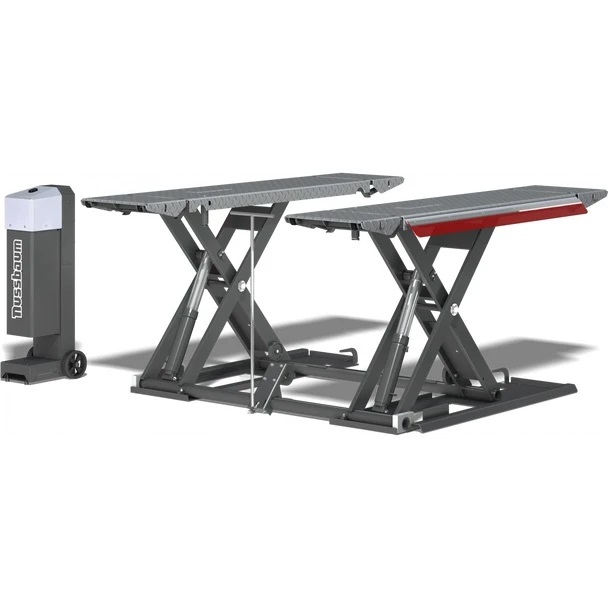
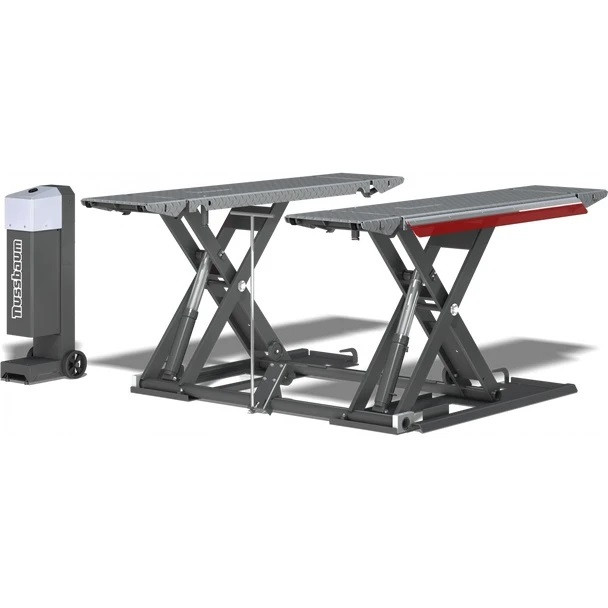
The Nussbaum Sprinter 7 is built for a shop that needs fast access underneath passenger cars and light trucks without dedicating a bay to a full-height two-post lift. Its 7,000-pound class capacity and compact service-lift format can make sense for tire work, brakes, suspension, exhaust, inspections, and general undercar service. The right application is less about the lift’s advertised capacity alone and more about the vehicles coming through the door, how often the bay turns, and what work needs to happen at full lift height.
Where the Nussbaum Sprinter 7 Fits Best
A compact low-rise or short-lift system earns its keep when technicians need repeatable undercar access for high-volume service. Quick inspections, wheel and tire service, brake jobs, oil service, and suspension repairs are often more efficient when the vehicle does not need to be raised to the ceiling. For shops with lower ceilings, a compact lift can also create productive service capacity where a conventional full-rise lift is not practical.
The Nussbaum Sprinter 7 is generally best evaluated as a dedicated service-bay tool rather than an all-purpose replacement for every lift in the building. A two-post lift still has the advantage for major transmission, drivetrain, and broad underbody access. A four-post lift may be the better answer for alignment work, storage, or drive-on vehicle loading. The Sprinter’s value comes from speed, footprint, and a work height suited to routine repair operations.
Vehicle mix matters. A 7,000-pound rating may cover many cars, crossovers, and light-duty pickups, but technicians and managers should verify the actual vehicle weight, lifting-point compatibility, wheelbase range, tire width, and low-clearance requirements. Do not use a capacity number as a shortcut for fitment. A lift must support the vehicle correctly at the manufacturer-approved lifting points and within the equipment’s intended operating range.
Installation Is a Shop-Planning Decision
Buying the lift is only one part of the project. Before placing an order, confirm the bay dimensions, door clearance, vehicle approach path, ceiling obstructions, and the space needed for technicians to move around the vehicle. A compact lift may require less vertical room than a two-post unit, but it still needs a clear, usable work zone.
Concrete is one of the first items to review. Slab thickness, concrete strength, condition, reinforcement, cracks, slope, and below-slab conditions can all affect installation requirements. Do not assume an old service bay is ready because it previously held a different piece of equipment. The current manufacturer installation documentation and a qualified installer should determine whether the floor meets requirements.
Electrical supply is another practical checkpoint. Confirm the lift’s required voltage and phase, available circuit capacity, disconnect location, and local electrical-code requirements before delivery. If the lift uses an external power unit or controls, plan its location so hoses, wiring, and technician traffic remain protected. A clean installation makes routine maintenance easier and keeps the bay from becoming a trip hazard.
Plan for Delivery and Assembly
Commercial lift deliveries involve more than a shipping address. Make sure the site can accept freight, unload equipment safely, and stage components without blocking service operations. Some installations require specialized handling equipment, trained installers, or additional site work. Those costs should be included in the purchase plan from the start, especially for a new shop build or a busy facility that cannot afford extended bay downtime.
Operating Factors That Affect Productivity
The fastest lift is only productive if technicians can load it consistently and safely. Establish clear procedures for vehicle positioning, lifting-point selection, safety-lock engagement, inspection, and lowering. Train every technician who will operate the equipment, including newer staff and part-time personnel.
Routine inspection should be part of the shop’s opening or weekly equipment checks. Watch for fluid leaks, damaged pads or contact points, worn hoses, unusual noises, uneven lifting, damaged controls, and safety-device issues. Follow the manufacturer’s maintenance schedule and use approved replacement parts. Skipping maintenance on a revenue-producing lift is rarely a savings.
For a shop building out multiple bays, the Sprinter 7 can work well beside higher-capacity two-post lifts or drive-on racks. That combination lets the shop reserve full-rise equipment for heavier repairs while moving routine work through a faster service lane. It depends on your repair mix: a tire and brake shop may prioritize turnover, while a fleet facility may need more capacity and longer wheelbase coverage.
Before committing to a Nussbaum Sprinter 7, map the vehicles you service most often and compare those measurements against the current product documentation. A lift that matches your floor, power, vehicle mix, and workflow will return more value than one chosen on capacity alone. For help matching a lift to a real bay layout, MyToolEquipmentGuy.com can help buyers sort through the installation and equipment questions before the truck arrives.
Recent Posts
-
Nussbaum Sprinter 7: Fit, Installation, and Use
Nussbaum Sprinter 7: Fit, Installation, and Use The Nussbaum Sprinter 7 is built for a shop that ne …4th Nov 2026 -
Frame Rack or Frame Straightener: Which Fits?
Frame Rack or Frame Straightener: Which Fits? A Frame Rack or Frame Straightener is not a small pu …30th Oct 2026 -

Paint Booth Buying Guide for Collision Shops
Paint Booth Buying Guide for Collision Shops A paint department can be the production bottleneck or …30th Oct 2026