

Frame Rack or Frame Straightener: Which Fits?
Frame Rack or Frame Straightener: Which Fits?
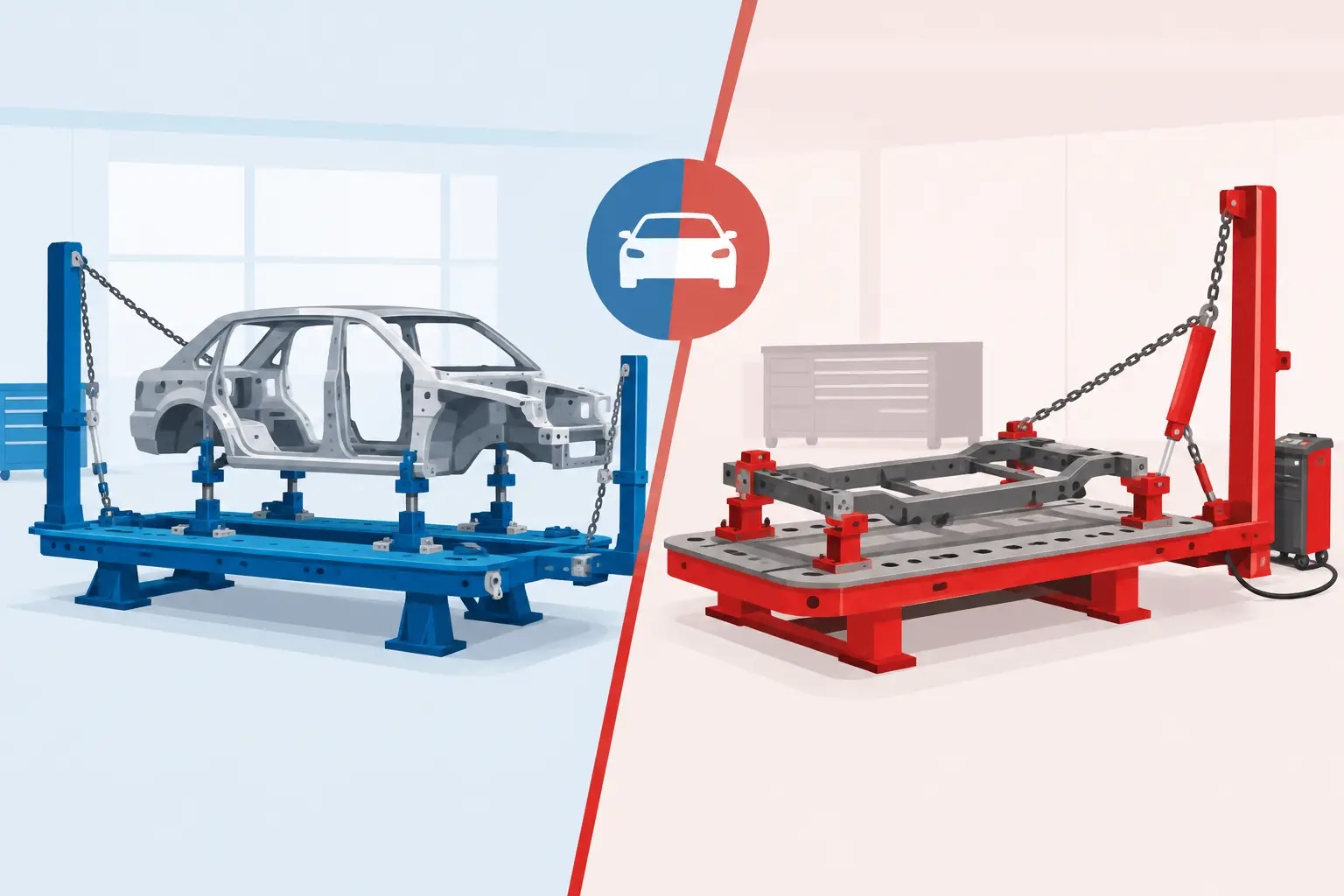
A Frame Rack or Frame Straightener is not a small purchase, and the wrong choice can tie up a productive bay every time a structural repair comes through the door. The right system gives your technicians controlled pulling power, repeatable vehicle positioning, and the measuring capability needed to return damaged vehicles to specification.
For most collision shops, the question is less about which name is correct and more about the type of repair work the equipment will handle. Frame rack is often used for a complete anchoring and pulling platform. Frame straightener may describe the pulling system itself or a simpler bench-based setup. Either can be the right fit, depending on vehicle mix, repair volume, available floor space, and insurer documentation requirements.
Frame Rack or Frame Straightener: Start With the Work
A full frame rack is generally built for broad collision capability. It anchors the vehicle securely, supports multiple pulls from different directions, and can be paired with computerized or electronic measuring systems. This is the practical choice for a busy body shop repairing unibody vehicles, trucks, SUVs, and vehicles with moderate to severe structural damage.
A frame straightener may be a more focused solution. Some models use a drive-on or lift-style platform with hydraulic towers, while others are designed around bench systems and portable pulling equipment. These systems can be a strong fit for lighter structural repairs, smaller facilities, restoration work, or shops adding collision capability without building a dedicated high-volume frame department.
The important distinction is not the label on the equipment. Look at the anchoring method, pull capacity, tower travel, measuring compatibility, and the range of vehicles you expect to repair.
What a Full Frame Rack Delivers
A conventional frame rack gives technicians a stable foundation for accurate pulls. The vehicle is loaded, secured at approved points, measured, and pulled in controlled stages. Because the rack holds the vehicle at a workable height, technicians can inspect suspension pickup points, rocker areas, rails, and underbody damage without spending the job crawling on the floor.
For shops handling insurance work, a rack with a compatible measuring system can be especially valuable. Documented before-and-after measurements help support repair planning and quality control. Measuring also prevents a common costly mistake: completing cosmetic repairs before discovering that a rail, apron, or suspension mounting point remains out of specification.
Capacity matters here. A system that regularly handles full-size pickups, cargo vans, and heavier SUVs needs more than enough working margin for the vehicle and the pulling forces involved. A light-duty bench may work well for compact cars but create limitations when larger work becomes routine.
Where a Frame Straightener Makes Sense
A frame straightener can make good business sense when your repairs are typically light to moderate, your footprint is tight, or you need a more accessible entry point into structural repair. Many independent shops use straightening equipment for localized pulls, minor collision corrections, and restoration projects where a full production rack would be underused.
That said, a lower initial equipment cost should be weighed against workflow. If technicians must repeatedly reposition vehicles, improvise anchoring, or wait for access to a separate measuring system, labor time can quickly offset the savings. The equipment should support the repair process your shop wants to run, not force the process to work around equipment limitations.
Buying Factors That Affect Daily Production
Before selecting a rack or straightener, evaluate the bay as carefully as the equipment. Concrete thickness and strength, ceiling height, door clearance, electrical requirements, and clear space around the pulling area all affect installation. A rack may physically fit in a bay while still leaving too little room for tower movement, vehicle loading, or safe technician access.
Also consider how the equipment will work with the rest of the shop. A collision bay needs a clear path from teardown to structural repair, mechanical work, body preparation, and paint. If the rack blocks vehicle flow or requires frequent reshuffling, it becomes a bottleneck.
Ask practical questions before buying: Will you need multi-directional pulls? Are late-model unibody vehicles the core workload? Do you repair aluminum-intensive vehicles or full-frame trucks? Is electronic measuring required by your insurer relationships? Can the system accept accessories you will need later, such as specialized clamps, truck adapters, or additional pulling towers?
Choose for the Jobs You Want to Keep
A shop that turns away heavier structural work may be losing profitable repair opportunities. On the other hand, buying the largest rack available for occasional minor pulls can consume capital and floor space better used for another lift, alignment system, or productive service bay.
MyToolEquipmentGuy.com helps shops compare collision repair equipment based on application, capacity, installation needs, and budget. For a high-ticket purchase like this, confirm the equipment specifications and site requirements before scheduling delivery.
Before you order, pull a sample of recent repair orders and identify the vehicles, damage patterns, and supplements that cost your team the most time. That real workload will point you toward the frame rack or frame straightener that earns its space every day.
Recent Posts
-
Frame Rack or Frame Straightener: Which Fits?
Frame Rack or Frame Straightener: Which Fits? A Frame Rack or Frame Straightener is not a small pu …30th Oct 2026 -

Paint Booth Buying Guide for Collision Shops
Paint Booth Buying Guide for Collision Shops A paint department can be the production bottleneck or …30th Oct 2026 -
Practical Guide to Portable Vehicle Lifts
Practical Guide to Portable Vehicle Lifts A lift that can move with the work can solve a real shop …27th Oct 2026