
Best Tire Changers for Shops Worth Buying
Best Tire Changers for Shops Worth Buying
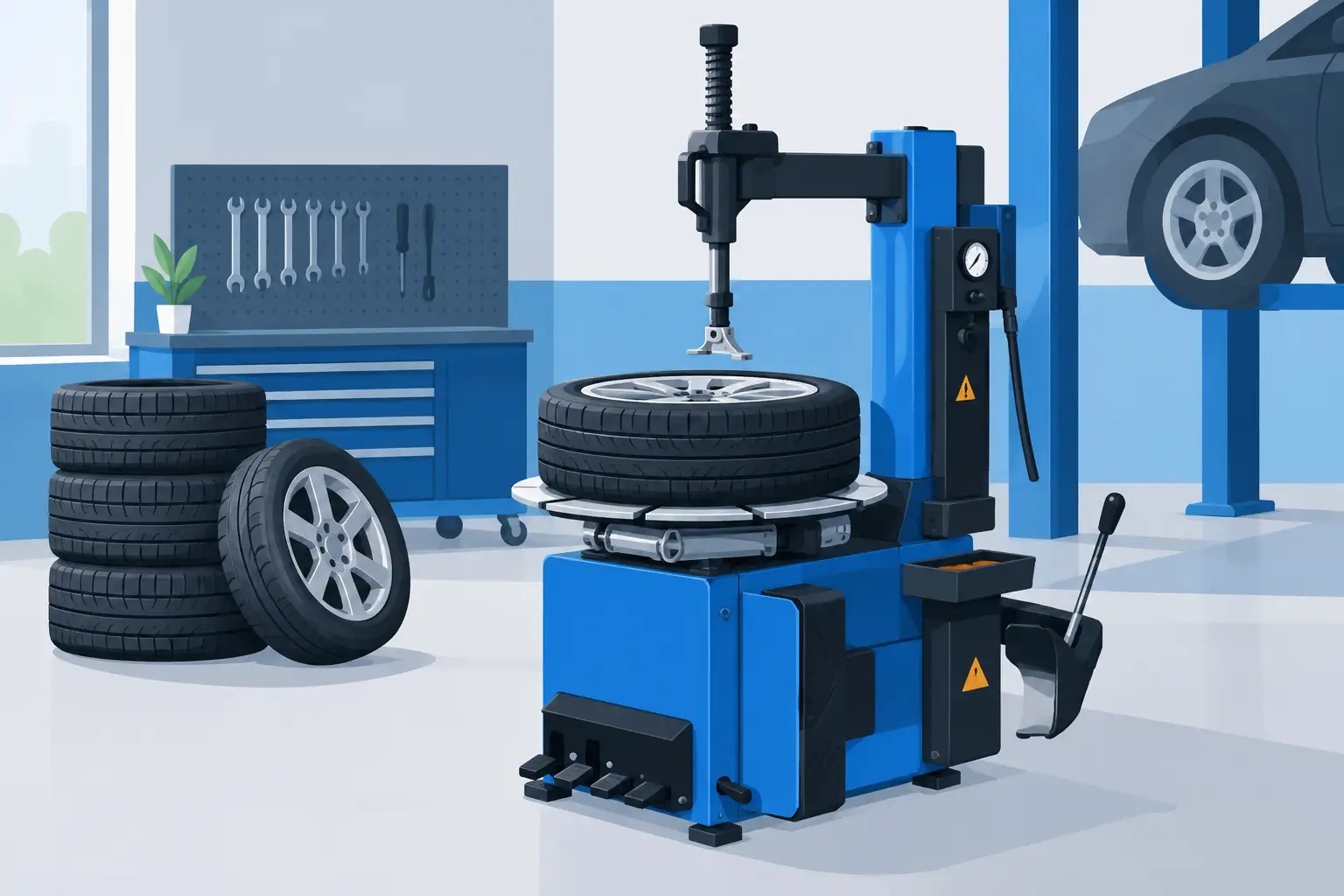
A tire machine that struggles with a 20-inch low-profile tire costs more than a few extra minutes. It backs up the bay, frustrates the technician, and can turn a profitable tire sale into a damaged-wheel claim. The best tire changers for shops are not simply the machines with the longest feature list. They are the machines matched to the wheels, tire constructions, vehicle mix, and daily volume your operation actually handles.
For a small general-repair shop, a dependable swing-arm changer may be the right investment. For a tire store, dealership, or fleet operation handling late-model trucks, performance cars, and run-flat tires every day, a heavy-duty leverless machine with assist arms can pay for itself in throughput and reduced risk. The purchase decision starts with the work, not the brochure.
What Makes a Tire Changer Right for a Professional Shop
Start by looking at the wheels coming through your doors. Wheel diameter gets attention, but rim width, tire sidewall stiffness, center-bore access, and vehicle type matter just as much. A machine that handles a stated 24-inch or 26-inch wheel may still be a poor fit if its clamp range, tabletop clearance, or bead-breaking force limits the work you perform.
Most professional tire changers fall into three useful categories. Conventional swing-arm models are economical, straightforward, and well suited to standard passenger-car and light-truck tires. Tilt-back machines provide better access and speed because the mounting head and service arm move clear of the wheel, making repeated work less tiring. Leverless or touchless tire changers are built for demanding assemblies, including low-profile, run-flat, and expensive alloy wheels where minimizing metal-tool contact is a priority.
There is no benefit in buying a highly automated machine if the shop mounts only a few conventional tire sets each week. On the other hand, buying the least expensive changer for a high-volume tire department often creates a bottleneck within a season. The right choice is based on productive cycles per day, not just the machine's purchase price.
Best Tire Changers for Shops by Work Type
General repair and moderate tire volume
A swing-arm or entry-level tilt-back tire changer is usually a sound fit for independent repair shops that perform tire work as part of a broader service mix. Look for a machine with an adequate outside clamping range for current light-truck wheels, a strong pneumatic bead breaker, and a mounting head designed to protect aluminum rims.
This category works well when technicians mostly handle 14-inch through 20-inch passenger and light-truck applications. It is also a practical choice for shops with limited floor space. The trade-off is that stiff sidewalls and large custom wheels require more technician effort and more careful use of assist tools.
A helper arm is one upgrade worth considering even at moderate volume. It helps hold the bead in the drop center during mounting and reduces the physical fight associated with stiff tires. That can improve consistency without moving all the way to a premium leverless system.
High-volume tire and service departments
A busy tire shop needs more than a large clamp range. It needs a machine that performs consistently shift after shift. Tilt-back tire changers with pneumatic assist arms are a strong middle ground for many high-volume operations. They offer faster wheel access than a swing-arm design and give technicians the extra force needed for low-profile and reinforced tires.
Prioritize serviceability here. Check the construction of the turntable, pedals, air valves, cylinders, hose routing, and mounting head. A tire changer earns money only when it is available for use. Common wear components should be accessible, and the equipment supplier should be able to provide parts support and technical guidance when needed.
For shops processing a steady stream of tire packages, pair the changer with a wheel balancer that matches the same level of output. A fast changer followed by a slow balancer simply moves the line to the next bay. Equipment planning should consider the full tire-service workflow, including lifts, air supply, balancers, and wheel-handling space.
Low-profile, run-flat, and premium-wheel work
Low-profile performance tires, run-flat assemblies, and large-diameter alloy wheels change the equation. These tires resist mounting because their sidewalls are stiff and their beads must be controlled precisely. Premium wheels also leave little room for mistakes. A scratched rim can erase the margin on an entire job.
For this work, look closely at leverless or touchless tire changers with multiple assist devices. A center-post clamping system can reduce the chance of damaging the rim edge, while roller arms and bead-press tools keep the tire positioned correctly throughout the mounting cycle. These machines reduce reliance on manual tire irons, which is a major advantage when expensive wheels are common in the shop.
The trade-off is cost and technician training. Leverless equipment is not a substitute for proper operating technique. Your team still needs to understand sensor placement, bead control, wheel protection, and the limits of each attachment. When operated correctly, however, this category can improve speed, reduce wheel damage exposure, and make difficult tire work far more manageable.
Trucks, commercial vehicles, and fleet tires
Passenger-car equipment is not designed for commercial truck and agricultural assemblies. Truck tire changers need substantially different capacity, clamping capability, and wheel-handling provisions. Before specifying one, identify the largest wheel diameter, tire diameter, assembly weight, and wheel type your fleet or commercial customers bring in.
A machine for medium-duty truck work may be entirely different from one intended for large commercial, farm, or off-road tires. Shop layout matters too. These units require working clearance around the machine and a safe plan for moving heavy assemblies. A wheel lift, tire dolly, or other handling equipment may be necessary to protect technicians from strain and prevent damage to the equipment.
Specifications That Matter More Than Advertised Wheel Size
Published rim range is useful, but it should not be your only filter. Compare inside and outside clamping capacity, maximum wheel width, and the maximum tire diameter the machine can safely accept. A customer may arrive with a wheel that technically fits the clamps but leaves inadequate room for the tire and tool movement.
Bead breaker performance is another real-world differentiator. Stiff tires and corroded truck wheels need controlled force. A powerful bead breaker saves time, but it also needs good technician control to avoid damaging a wheel or tire pressure monitoring sensor.
Air requirements deserve attention before delivery. Most pneumatic tire changers depend on a clean, dry compressed-air supply at the manufacturer-specified pressure. An undersized compressor or moisture-heavy air system can cause weak operation, premature valve wear, and inconsistent assist-arm performance. If the shop is adding a changer, balancer, lifts, and other air-operated equipment, evaluate compressor capacity as part of the project.
Electrical requirements, footprint, and access for maintenance should be reviewed before ordering. Measure the bay with the machine in its operating position, not just its catalog dimensions. Allow room for the tilt-back tower, technician movement, wheel carts, and customer vehicles. A crowded tire bay creates slow work and avoidable safety issues.
Do Not Separate the Machine From the Operator
The best equipment cannot compensate for rushed or untrained operation. Establish a process for inspecting wheels, documenting existing cosmetic damage, checking tire pressure sensors, using protective covers where appropriate, and confirming correct inflation procedures. These basics protect the customer and the shop.
Training also helps determine which features are worth paying for. A skilled technician can complete standard tire work efficiently on a conventional machine. But when several technicians rotate through the tire bay, advanced assist systems can make results more repeatable across the team. That consistency matters for shops trying to grow tire sales without increasing comeback risk.
Buying for the Next Three Years, Not Just This Month
Before selecting equipment, pull a sample of recent repair orders and count the wheel sizes, low-profile tires, run-flats, light-truck applications, and commercial assemblies you actually serviced. Then consider the work you currently turn away. That gives you a better purchasing picture than selecting a tire changer by price alone.
For a complete shop build or equipment upgrade, MyToolEquipmentGuy.com can help match tire-service equipment to your vehicle mix, available space, and budget. Financing may also make sense when a higher-capability machine prevents outsourced work and supports more tire sales.
Buy the tire changer that gives your technicians a safe, repeatable way to finish the jobs customers will bring you next. The right machine should keep work moving without making every difficult wheel feel like a special event.
Recent Posts
-
Best Tire Changers for Shops Worth Buying
Best Tire Changers for Shops Worth Buying A tire machine that struggles with a 20-inch low-profile …19th Sep 2026 -
Are Two-Post Lifts Safe? What Shops Need to Know
Are Two-Post Lifts Safe? What Shops Need to Know A two-post lift can put a 7,000-pound pickup high …17th Sep 2026 -
Alignment Rack Comparison for Productive Shops
Alignment Rack Comparison for Productive Shops A wheel alignment bay can be one of the most dependa …14th Sep 2026