
Best Paint Booth Options for Collision Shops
Best Paint Booth Options for Collision Shops
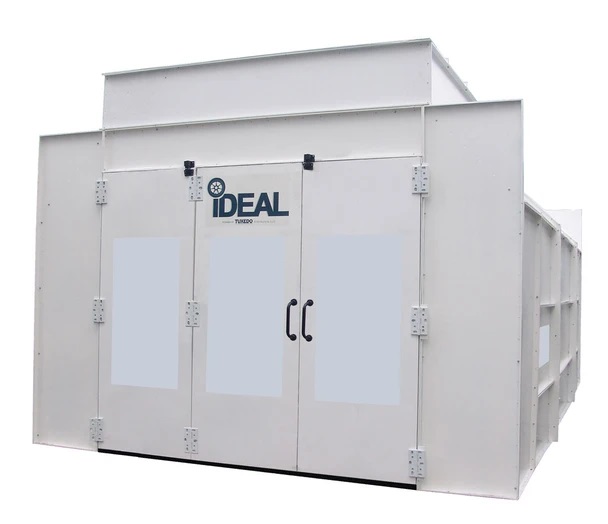
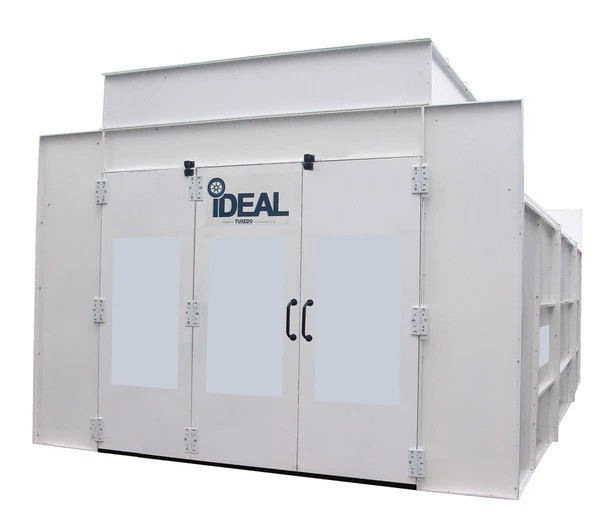
A paint booth is not just another piece of autobody equipment. It controls finish quality, cycle time, technician working conditions, and the amount of rework leaving your shop. The Best Paint Booth is the one sized around your actual vehicle mix, production volume, building utilities, and local code requirements - not simply the largest model that fits the floor plan.
For a restoration garage spraying a few vehicles each month, a basic enclosed crossdraft booth may be the right investment. A busy collision center processing late-model trucks, SUVs, and insurance work usually needs stronger airflow control, better lighting, and a heated bake cycle to keep vehicles moving through the department.
Start With the Work Your Booth Must Handle
Before comparing airflow designs or pricing, define the largest and most common vehicles you will paint. A booth that handles sedans comfortably may become a bottleneck when a full-size pickup, cargo van, or three-row SUV arrives. Measure vehicle length, width with mirrors, roof height, and the clearance needed for painters to work around open panels.
Door location matters as much as interior dimensions. Drive-through booths support a cleaner production flow because vehicles enter from one side and exit from the other. That layout works especially well in higher-volume collision shops with separate prep, paint, and reassembly areas. A single-entry booth can cost less and fit tighter buildings, but it may require more vehicle movement and scheduling discipline.
Also consider what happens outside the booth. You need enough space for prep stations, mixing-room access, cured-vehicle staging, and safe movement of parts carts. Buying a booth without planning the surrounding workflow often creates the very bottleneck the new equipment was meant to solve.
Best Paint Booth Airflow Design for Your Shop
Airflow design has a direct effect on overspray control and finish consistency. The right choice depends on the level of finish your customers expect, your building layout, and your available budget.
Crossdraft booths
A crossdraft booth pulls air horizontally across the vehicle, generally from filtered doors or an intake section toward an exhaust chamber at the opposite end. It is a proven, economical design for smaller shops, restoration work, and operators with limited installation space. The trade-off is that airflow passes across the vehicle body, which can make contamination control more challenging than in a downdraft design.
Semi-downdraft booths
Semi-downdraft configurations bring filtered air in from the ceiling near the front of the booth and move it toward an exhaust area at the rear. This improves air distribution over the work area without requiring the full pit work associated with some downdraft installations. For many independent collision shops, it is a practical middle ground between price, finish quality, and installation demands.
Downdraft and side-downdraft booths
Downdraft booths move air from the ceiling down through a floor-level exhaust system. Side-downdraft designs pull air downward and out through lower-wall exhaust plenums. Both designs offer strong overspray management and are common in production-oriented collision facilities. They generally require more substantial building planning, including pits, raised floors, or engineered exhaust arrangements, but the improvement in cleanliness and workflow can justify the investment.
Heat and Bake Capability Affect Cycle Time
A heated paint booth can reduce flash and cure times, helping a shop turn more jobs without adding floor space. That does not mean every operation needs a full bake booth. If your work is low volume or focused on custom refinishing, a non-heated booth may be the more cost-effective choice.
For insurance-driven collision repair, heated airflow is often worth serious consideration. Faster curing can shorten the handoff between paint, reassembly, and detailing. Factor in the fuel source, burner size, electrical requirements, and local utility capacity before selecting a heated system. The purchase price is only part of the operating cost.
Plan for Code, Utilities, and Installation Early
Paint booth projects involve more than delivery and assembly. Your building may need electrical upgrades, gas piping, ductwork, roof penetrations, compressed air, fire-suppression coordination, and a concrete or pit plan. Local fire, building, environmental, and mechanical requirements vary by jurisdiction, so involve qualified installers and the local authority having jurisdiction before finalizing equipment specifications.
Do not treat lighting as an accessory. Bright, properly positioned, serviceable lighting helps painters identify color variation, panel defects, and coverage issues before the vehicle leaves the booth. Good visibility prevents expensive rework.
Filtration is another operating expense that deserves attention. A booth with readily available intake and exhaust filters, sensible filter access, and clear maintenance intervals is easier to keep performing correctly. Poor filter maintenance reduces airflow, affects finish quality, and can increase energy use.
Buy for Production, Not Just Today’s Price
The lowest-priced booth can become the expensive choice if it limits vehicle size, slows curing, or forces painters to work around poor airflow. At the same time, an oversized production booth may not pay for itself in a small operation. Match the equipment to the revenue your paint department can realistically produce.
MyToolEquipmentGuy.com helps shops evaluate booth size, airflow style, heating needs, and installation considerations alongside the rest of the equipment required for a functioning autobody department. When you compare specifications, include the building work and long-term operating costs in the decision - then choose the booth that lets your painters produce clean work without slowing down the shop.
Recent Posts
-
Best Paint Booth Options for Collision Shops
Best Paint Booth Options for Collision Shops A paint booth is not just another piece of autobody eq …20th Nov 2026 -
Top Vehicle Lift Safety Features to Look For
Top Vehicle Lift Safety Features to Look For A vehicle lift is only profitable when technicians tru …9th Nov 2026 -
Nussbaum Sprinter 7: Fit, Installation, and Use
Nussbaum Sprinter 7: Fit, Installation, and Use The Nussbaum Sprinter 7 is built for a shop that ne …4th Nov 2026